By Chioma Vivian James
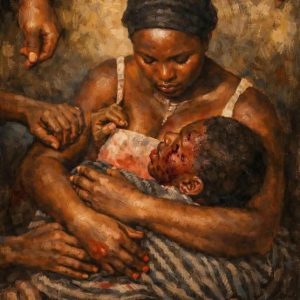
The city of Jos, long regarded as the heartbeat of Plateau State, has once again been thrown into mourning following a fresh wave of deadly violence that has claimed dozens of lives and left communities in fear.
The latest killings occurred over the weekend in parts of Jos North, where gunmen stormed residential communities under the cover of darkness.
Eyewitness accounts indicate that the attackers, riding on motorcycles, opened fire on unsuspecting residents, leaving many dead and several others injured. Homes were reportedly attacked in a coordinated manner, suggesting prior planning.
The incident unfolded late Sunday night into the early hours of Monday, in densely populated neighborhoods within Jos North Local Government Area.
The proximity of the attacks to urban centers has heightened anxiety, as such violence has traditionally been more common in rural communities.
How It All Started
To understand the present violence, one must revisit the long-standing crisis that has defined Jos for decades. The roots of the conflict can be traced to disputes over land ownership, political representation, and identity between so-called “indigenes” and “settlers.” These tensions have, over time, evolved into violent confrontations, often taking on ethnic and religious dimensions.
A major turning point was the 2010 Jos riots, which exposed deep fractures within the society and set a pattern of cyclical violence. Since then, reprisals and counter-reprisals have become a recurring feature of life in the region.
Why the Violence Persists
Several factors continue to fuel the crisis:
Ethno-religious divisions: Communities remain sharply divided along religious and ethnic lines, making reconciliation difficult.
Farmer–herder clashes: Competition over land and grazing routes has intensified, especially with environmental pressures such as desertification pushing herders southward.
Weak security presence: Despite repeated outbreaks, security responses are often reactive rather than preventive.
Impunity: Perpetrators of past attacks are rarely brought to justice, emboldening further violence.
What Fueled the Latest Attack
While investigations are ongoing, analysts believe the recent killings may have been triggered by a mix of reprisal attacks and lingering grievances. The use of motorcycles, a common tactic in coordinated assaults, points to organized groups rather than spontaneous clashes.
There are also concerns that political tensions and economic hardship may be aggravating existing divisions, making communities more vulnerable to manipulation and violence.
Government and Security Response
Authorities in Plateau State have imposed curfews in affected areas and deployed additional security personnel to restore order. However, residents remain skeptical, citing a history of delayed interventions and inadequate protection.
The Human Cost
Beyond the statistics, the tragedy is deeply human families displaced, livelihoods destroyed, and a generation growing up amid fear and uncertainty. Schools, markets, and places of worship have all been affected, further disrupting daily life.
Conclusion
The latest bloodshed in Jos is not an isolated incident but part of a protracted crisis rooted in history, identity, and governance challenges. Without deliberate efforts at justice, reconciliation, and proactive security, the cycle of violence may continue to repeat itself.