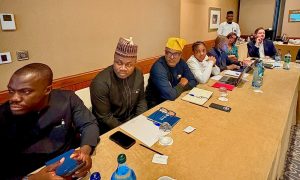
The three-day workshop, held from November 9 to 11, 2026, at the Corinthia Hotel, brought together senior Customs officers, representatives of Trade Modernisation Project Limited (TMPL) and CB-XP to assess the system’s performance and develop practical solutions to operational challenges.
The review represents another significant step in the ongoing transformation of the Nigeria Customs Service under the leadership of Comptroller-General of Customs, Adewale Adeniyi, whose administration has continued to prioritise technology-driven operations, transparency, efficiency and improved revenue mobilisation.
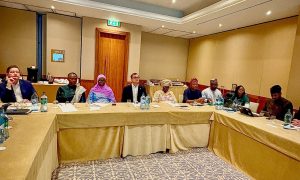
Speaking at the opening ceremony, the Deputy Comptroller-General of Customs in charge of ICT Modernisation, Oluyomi Adebakin, commended the Comptroller-General for his commitment to innovation and capacity development, noting the importance of continuous improvement in achieving the Service’s modernisation objectives.
The Managing Director of TMPL, Jummai Umar-Ajijola, who represented the Chairman, Saleh Ahmadu, disclosed that B’Odogwu had continued to attract international attention, including interest from the African Continental Free Trade Area (AfCFTA) Secretariat.
She further noted that improvements to the platform had contributed to increased revenue and strengthened the country’s revenue ecosystem.
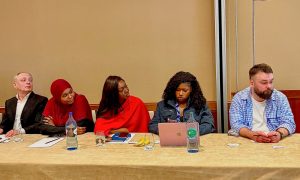
According to her, the workshop was designed to develop a concrete roadmap that would consolidate the gains recorded in the system’s first three years while identifying areas requiring further improvement.
Among the major outcomes of the review were resolutions to upgrade the Electronic Cargo Tracking System (ECTS), strengthen bond and transit management, automate customs procedure code approvals and improve the processing of import, export, re-importation and transit declarations.
Participants also agreed on measures to strengthen cargo monitoring through the integration of the upgraded ECTS with B’Odogwu, including the replacement of 200 obsolete electronic seals with 2,000 newly procured units.
The initiative is expected to improve container tracking, strengthen surveillance of bonded cargo movements and reduce the risk of diversion during transit operations.
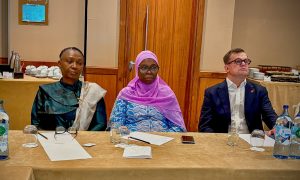
Other critical areas examined included the integration of B’Odogwu with the Nigeria Export Processing Zones Authority (NEPZA), improvement of the Transire Processing System and the upgrading of reporting dashboards, search filters and Harmonised System Code search functionality.
The workshop also reviewed Standard Operating Procedures for Bond Management, Transire Commands and Export Commands to ensure that Customs operations remain consistent with the provisions of the Nigeria Customs Service Act 2023.
At the closing ceremony, the Deputy Comptroller-General of Customs in charge of Finance, Administration and Technical Services, Kikelomo Adeola, stressed the importance of translating the workshop’s resolutions into measurable operational improvements.
A presentation by the Customs Area Controller, Comptroller Murtala Mu’azu, and goodwill remarks by CB-XP Chairman, Edward Bowen, further highlighted the collaborative efforts required to strengthen the platform.
Significantly, specific responsibilities were assigned to relevant NCS and TMPL departments to ensure effective implementation of the agreed recommendations.
The Lisbon workshop underscores the determination of the Nigeria Customs Service to build a more efficient, transparent and technology-driven Customs administration capable of supporting legitimate trade, improving national revenue and strengthening Nigeria’s competitiveness in the global trading environment.
With sustained investment in digital infrastructure and institutional capacity, the B’Odogwu platform remains a major component of the Service’s broader ambition to simplify Customs processes, enhance accountability and position Nigeria as a stronger player in regional and international trade.