By Uloma Peace Okorie
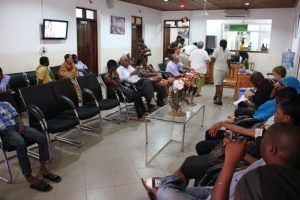
By midmorning, the waiting area of a public hospital in Abuja is already full. Patients sit shoulder to shoulder, clutching medical files and waiting to be called.
Among them is a woman who has lived with diabetes for nearly sixteen years.
She knows the warning signs trembling hands when her blood sugar drops, exhaustion when it rises, wounds that heal too slowly. Managing diabetes requires constant vigilance.
Inside the hospital, however, survival depends on something else: cost.
During triage, nurses check her blood pressure a routine service offered free of charge.
She waits.
“What about my sugar level?” she asks.
“If you want that test, you will pay,” a nurse replies. “Blood pressure is free.”
She is directed to the laboratory desk across the compound.
There is no urgency. Only a fee.
Across Nigeria, free blood pressure screening reflects national concern about hypertension and stroke. Diabetes testing, however, is often treated as a laboratory service rather than a routine vital sign.
Medical experts warn that without current glucose readings, doctors may make treatment decisions without critical information.
The World Health Organization says diabetes is rising rapidly worldwide, particularly in low- and middle-income countries. The International Diabetes Federation estimates millions of Africans live with the disease, many undiagnosed.
Nigeria’s heavy reliance on out-of-pocket healthcare spending forces patients to choose between testing and daily survival.
“For some people it is small,” said a commercial driver waiting nearby. “For us, it is food.”
As the woman returns with her paid test result, she resumes her seat among the waiting patients each quietly calculating what they can afford today and what must wait. In a system stretched thin, survival may depend on whether a life-threatening disease is treated as urgent or optional.