The Kogi State Government has announced the full repayment of ₦98.8 billion in debts inherited from previous administrations—an unprecedented financial milestone achieved within the first 15 months of Governor Ahmed Usman Ododo’s tenure.
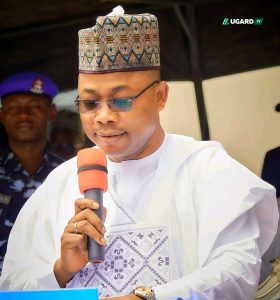
The announcement was made by the Commissioner for Finance, Budget and Economic Planning, Asiwaju Asiru Idris, following a State Executive Council meeting held on Monday in Lokoja.
According to the commissioner, the repaid debts spanned the administrations of former Governors Idris Wada and Yahaya Bello and included a wide range of loans and bond facilities secured primarily for infrastructure development.
Key among the settled obligations are:
- ₦5 billion Series One and ₦3 billion Series Two bond loans.
- ₦50 billion bailout fund, originally structured for repayment over 20 years.
- ₦10 billion loan from the Excess Crude Account.
- ₦30 billion in commercial loans from United Bank for Africa (UBA) and Zenith Bank.
“These repayments represent a major step in our commitment to fiscal responsibility, transparency, and sustainable governance,” Idris stated. “By clearing these legacy debts, we have significantly boosted the state’s financial credibility and created room for fresh investment.”
He noted that Governor Ododo has instituted a strict policy of living within the state’s financial means, prioritizing internally generated revenue (IGR) over new borrowing. The strategy is designed to ensure long-term economic resilience and to avoid the accumulation of unsustainable debt.
Despite the massive debt clearance, Idris assured residents that the state remains financially stable and well-positioned to fund new development projects.
“Our focus remains on building a stronger, more self-reliant Kogi State. This financial discipline is not just about repayment it is about unlocking the state’s future potential without mortgaging it,” he added.
The move marks a notable departure from the borrowing patterns of past administrations and sets a new fiscal direction aimed at strengthening the state’s economic foundation.