By Chioma James
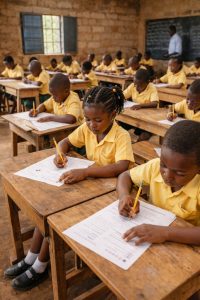
Dozens of primary school pupils in Amasiri community, Ebonyi State, were on Friday unable to sit for the 2026 Common Entrance Examination following the prolonged closure of schools in the area on the directive of Governor Francis Ogbonna Nwifuru, triggering anguish among families and renewed calls for urgent government intervention.
The affected community, located in Amasiri, has been under restrictions linked to security concerns, a situation that has kept classrooms shut for months and disrupted academic activities.
For many pupils, the Common Entrance Examination represents a crucial gateway to secondary education. Missing it, parents say, could derail years of preparation and potentially cost children an entire academic session.
“We have watched our children study at home every day, hoping schools would reopen,” a distressed parent said, requesting anonymity.
“Now the examination has come, and they cannot write it. It feels like their future is being taken away.”
Interrupted Learning, Shattered Hopes
Teachers and education stakeholders warn that the prolonged disruption has already weakened academic preparedness. The inability to participate in the examination, they say, compounds the damage — particularly for children from low-income households who lack access to private tutoring or digital learning alternatives.
Education advocates stress that extended school closures often lead to increased dropout rates, child labour, and early marriages, especially in vulnerable communities.
Nigeria’s legal framework places strong emphasis on children’s access to education. The Child Rights Act guarantees every child the right to free, compulsory basic education and mandates government authorities to ensure equal educational opportunities.
Legal analysts note that while security measures may necessitate temporary restrictions, such actions must be proportionate and should not permanently deprive children of schooling or advancement opportunities.
Community leaders and civil society groups are now urging Governor Nwifuru to urgently review the restrictions and create a safe pathway for affected pupils to sit for the examination.
Proposed solutions include establishing special examination centres in secure areas, deploying security personnel to protect candidates, or granting temporary exemptions strictly for examination purposes.
For the children of Amasiri, however, the issue transcends policy debates. It is about dreams placed on hold — dreams of progressing to secondary school and pursuing future careers as doctors, teachers, engineers, and public servants.
As examination centres elsewhere buzzed with activity, classrooms in Amasiri remained silent — a stark reminder that when schools close for too long, it is not only gates that are shut, but opportunities, aspirations, and the promise of a better future.
Great write up. The Nwifuru I know is a lover of education. A lawyer.
Am optimistic he will do something towards reopening the school.